
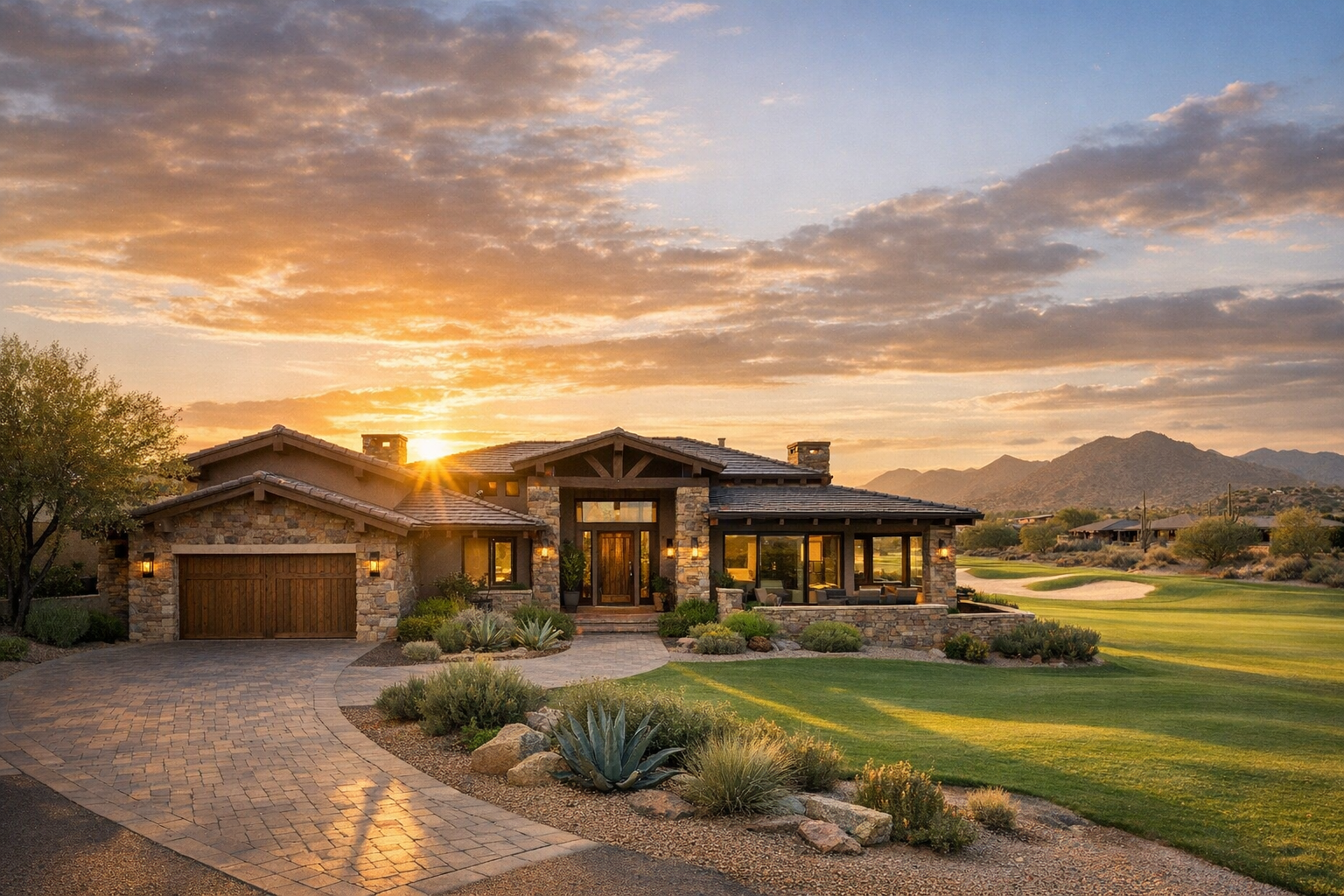
The allure of living in the Sonoran Desert is undeniable. We see clients every day who fall in love with the stunning sunsets, the mountain backdrops, and the promise of indoor-outdoor living. However, owning a property in Arizona comes with a unique set of financial responsibilities that differ significantly from other parts of the country. When you calculate the cost of maintaining a home in Scottsdale, you must look beyond the mortgage, taxes, and insurance.
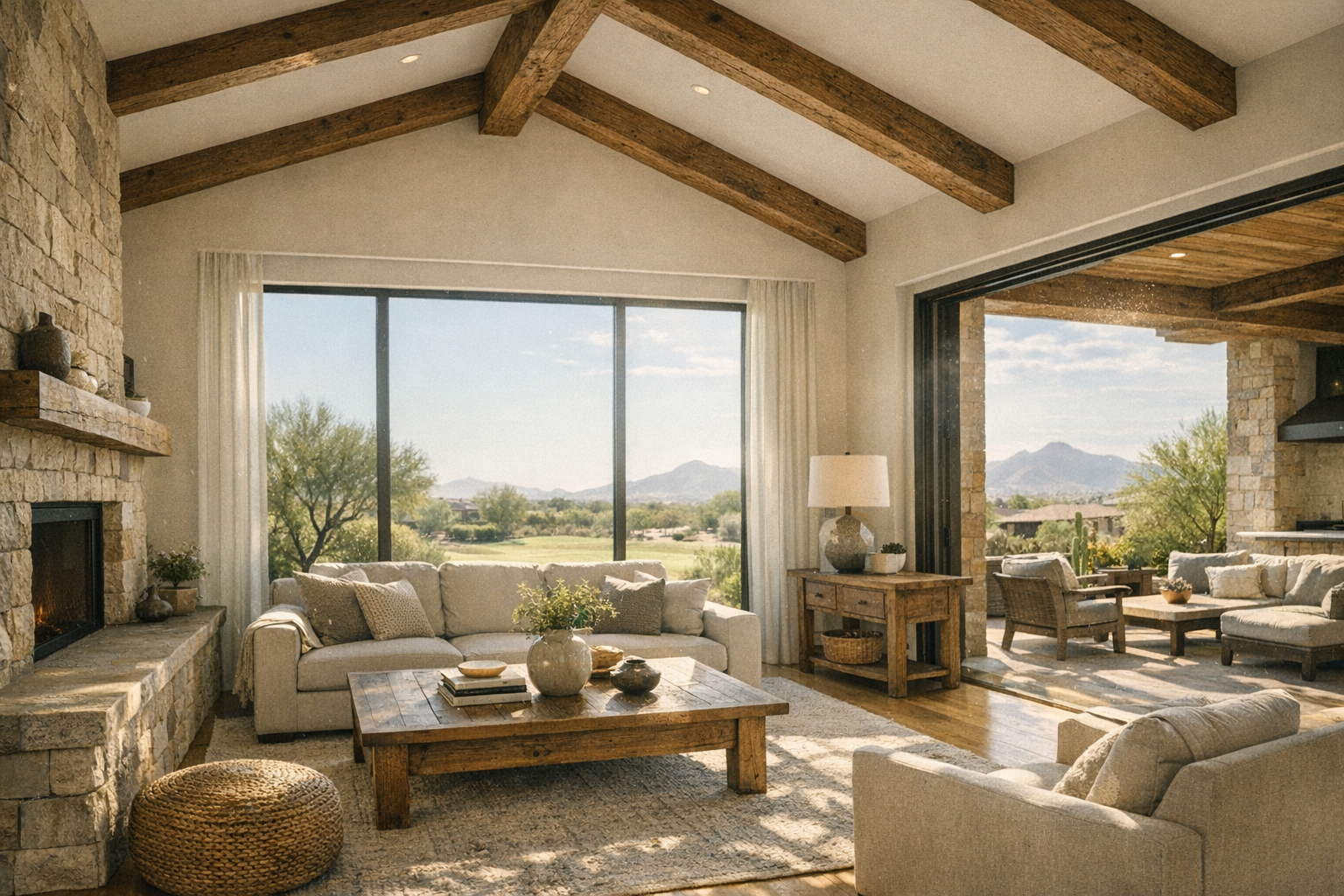
At Farrell Hogenauer, we believe in transparency. We want our clients to enter homeownership with their eyes wide open. We have decades of combined experience helping buyers evaluate properties in neighborhoods like Grayhawk and DC Ranch. In our experience, the three biggest variables in your monthly budget will almost always be your air conditioning, your swimming pool, and your landscaping. Understanding these costs upfront helps you make a smart investment decision.
The Heavy Lifter: Air Conditioning Costs
Your HVAC system is the single most critical component of any Arizona home. In many other climates, air conditioning is a luxury. Here in Scottsdale, it is a life-safety requirement. When we show homes during the peak of summer, we often remind clients that this equipment runs hard for five to six months out of the year. This heavy usage directly impacts your monthly utility bills and your long-term maintenance budget.
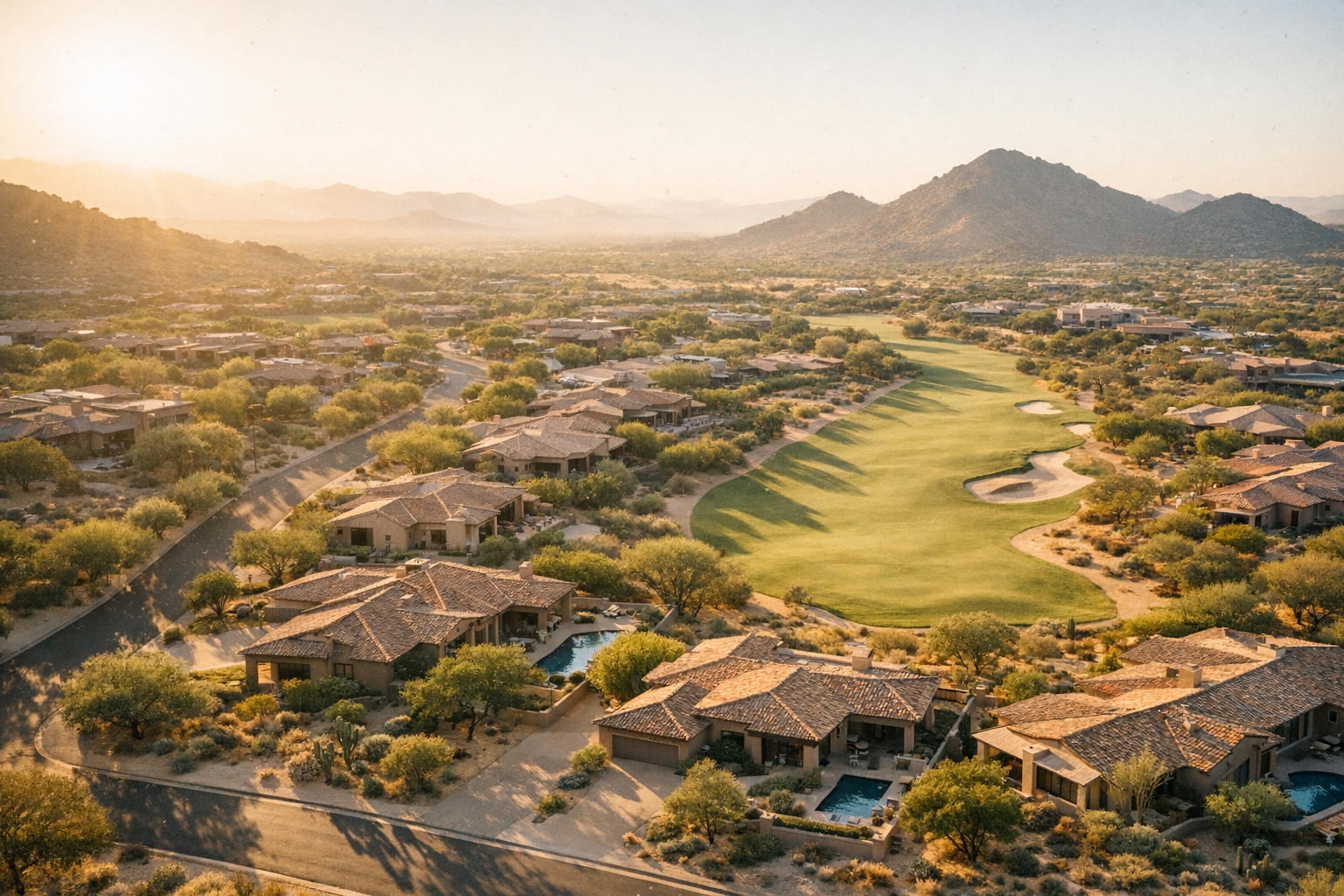
Monthly Energy Consumption
Electricity bills in Scottsdale fluctuate wildly depending on the season. In the mild winter months, your bill might be under $150. However, once June arrives, that number changes drastically. We advise clients to budget for substantial increases during the summer. For a standard 2,500-square-foot home with a pool, summer electric bills can easily range from $400 to $600 per month depending on the efficiency of the unit and your thermostat settings.
We recently helped a buyer evaluate a home in North Scottsdale that had two original AC units from 2010. We helped them negotiate a credit for replacements because we knew those older units would lead to astronomical energy bills. Modern systems with higher SEER2 (Seasonal Energy Efficiency Ratio) ratings can lower these costs significantly, but the initial consumption will always be higher here than in cooler climates.
Maintenance and Replacement
The lifespan of an AC unit in the desert is shorter than the national average. While a unit in the Midwest might last 20 years, we typically see units in Scottsdale last between 12 and 15 years due to the intense heat load. A routine service call is essential twice a year (spring and fall) to ensure the system is ready for the upcoming season.
Replacing a full HVAC system is a major capital expense. As of 2026, replacing a single 4-ton or 5-ton unit can cost between $12,000 and $18,000 depending on the brand and efficiency rating. Most homes in Scottsdale over 2,500 square feet have two units. This is a potential future cost of $25,000 to $35,000 that every homeowner must plan for.
The True Cost of a Backyard Oasis
A sparkling blue pool is iconic to the Scottsdale lifestyle. Roughly 70% of the homes we sell in the area feature a private pool. While they offer incredible relief from the heat and a great venue for entertaining, they are complex systems that require constant attention and funding.
Weekly Maintenance and Chemicals
Water chemistry in the desert is volatile. The high heat evaporates water quickly, concentrating minerals and altering pH levels. Chlorine also burns off rapidly under the intense UV rays. Unless you are a chemistry expert with plenty of free time, we generally recommend hiring a professional pool service.
In our experience working with local vendors, a weekly pool service in Scottsdale currently costs between $140 and $180 per month. This typically includes brushing, skimming, emptying baskets, and balancing standard chemicals. This expense is year-round, not just in the summer, as water chemistry must be maintained even when you are not swimming to prevent algae growth and plaster damage.
Equipment and Repairs
Beyond weekly cleaning, pools have mechanical parts that wear out. Your pool pump, filter, and cleaning system (often an in-floor system or a vacuum) will need repairs.
- Variable Speed Pumps: Federal regulations now require variable speed pumps for energy efficiency. If a pump fails, a replacement runs between $1,800 and $2,500 installed.
- Filter Cleaning: Your pool filter needs to be broken down and cleaned every six months. If you have a pool service, they often charge an extra $150 per cleaning for this service.
- Water Levelers: Because evaporation claims inches of water a week in the summer, automatic water levelers are standard. These valves can fail, leading to leaks or overfilling.
Long-Term Resurfacing
Every pool eventually needs a facelift. The interior finish, commonly Pebble Tec or plaster, lasts about 15 to 20 years. Resurfacing a standard play pool can cost upwards of $15,000. When we walk through older properties with clients, we pay close attention to the condition of the pool surface. Cracking, delamination, or worn spots are signs that a large expense is on the horizon.
Desert Landscaping and Water Usage
There is a common misconception that desert landscaping (often called xeriscaping) means zero maintenance. Newcomers often assume that rocks and cactus take care of themselves. While it is true that you do not have to mow a lawn every Saturday, maintaining a desert yard requires specific care and budget.
Irrigation Systems
Even desert plants need water to survive the Scottsdale summers. Almost every home utilizes a drip irrigation system. These systems use polyethylene tubing buried under the granite to deliver water directly to the root zones of plants.
In our experience, these systems are the most common source of hidden leaks. The harsh sun degrades the exposed emitters, and local wildlife (rabbits and javelina) often chew through lines looking for water. A high water bill is usually the first sign of a problem. We advise clients to check their irrigation timers seasonally. Overwatering is common and expensive. A typical water bill for a home with a pool and mature landscaping averages $80 to $120 per month, but a hidden irrigation leak can triple that overnight.
Plant Trimming and Cleanup
Desert trees like Palo Verdes and Mesquites grow surprisingly fast, especially during the monsoon season. They can become top-heavy and are prone to breaking during high winds if not properly thinned. Additionally, cacti like Agaves and Prickly Pears require careful handling.
Most homeowners in Scottsdale hire a landscaper to come twice a month or monthly. This service includes blowing debris, weed control (weeds grow aggressively after winter rains), and trimming. You can expect to pay between $100 and $200 per month for basic yard maintenance. If you have a grassy area, or “turf,” that cost will be higher due to the need for mowing and additional water.
Pest Control in the Desert
When calculating the cost of maintaining a home in Scottsdale, pest control is a non-negotiable line item. The desert ecosystem is home to scorpions, termites, and ants.
Termites
In Arizona, real estate professionals often say there are two types of homes: those that have termites and those that will. Subterranean termites are incredibly common. They build mud tubes up the foundation to reach the wood framing. We always recommend a termite inspection during the buying process. A termite warranty or preventative treatment typically costs around $150 to $200 annually after the initial treatment.
Scorpions and General Pests
Scorpions are a reality of desert living, particularly in homes that back up to natural washes or mountain preserves. Most homeowners opt for a monthly or bi-monthly pest control service. This creates a barrier around the home’s perimeter. This service generally costs between $50 and $80 per month.
HOA Fees and Community Amenities
Many of Scottsdale’s most desirable properties are located within Homeowners Associations (HOAs). These fees vary wildly based on the amenities provided. A small community might charge $50 per month for common area landscaping. A guard-gated community in areas like Silverleaf or Desert Mountain could have monthly fees ranging from $300 to over $800.
It is vital to verify exactly what these fees cover. In some communities (like certain condos or townhomes), the HOA fee covers exterior maintenance, roof repair, and water, which offsets your personal maintenance budget. In single-family home communities, the fee usually only covers common areas, meaning you are still responsible for your entire lot.
Real World Case Study: The Miller Family
To give you a concrete example of what this looks like, we want to share a breakdown based on a recent client experience. (We have changed the names to protect client privacy). The Millers purchased a 2,800-square-foot single-level home in the 85255 zip code. The home was built in 2005 and includes a pool and a quarter-acre lot with desert landscaping.
Here is their actual average monthly maintenance budget for the first year of ownership:
- Electricity (Avg): $380 (ranged from $150 in winter to $650 in summer)
- Water/Sewer/Trash: $110
- Pool Service: $160 (weekly cleaning + chemicals)
- Landscaping: $120 (monthly cleanup)
- Pest Control: $55 (bi-monthly service averaged monthly)
- HOA: $185
- HVAC Maintenance: $25 (averaged from two $150 service calls per year)
Total Monthly Maintenance: $1,035
This total does not include the mortgage or property taxes. It strictly covers the operational costs of the home. When The Millers moved from a condo in Seattle, this was a shock. However, because we had prepared them with these estimates during the showing process, they had budgeted accordingly. They knew that while the maintenance costs were higher, their property taxes were significantly lower than what they paid in Washington, which helped balance the overall financial picture.
Managing Your Investment
Understanding these costs is not meant to discourage you from buying in Scottsdale. Rather, it is about ensuring you are financially prepared to protect your investment. A home that is well-maintained retains its value. Ignoring a small irrigation leak or skipping HVAC service can lead to massive repair bills down the road.
We advise all our clients to set aside a “rainy day fund” specifically for house repairs. A good rule of thumb for Scottsdale homes is to budget 1% of the home’s value annually for maintenance and repairs. For a $1,000,000 home, that means having access to $10,000 a year for upkeep, replacements, and improvements.
Why Expert Representation Matters
Buying a home here requires more than just finding a layout you like. You need a partner who can look at a pool pump and tell you if it is on its last leg. You need someone who knows which direction a house faces will double your cooling bill.
At Farrell Hogenauer, we bring this level of practical expertise to every transaction. We do not just open doors; we help you assess the total cost of ownership. We hold designations including the Accredited Buyer’s Representative (ABR), which signifies our commitment to representing your best interests in complex transactions.
We have helped countless clients transition to the Scottsdale lifestyle smoothly because we focus on the details that matter. We check the age of the AC units. We ask about the pool history. We look for evidence of termite treatments. We ensure you have the full picture before you sign a contract.
If you are ready to explore the Scottsdale market with a team that values transparency and diligence, we are here to help. Contact our Scottsdale office today to start your journey toward homeownership in the Valley of the Sun.